

Let's be honest. That big, beautiful meeting room you invested in? Too often, it’s sitting empty. And an empty meeting room is a drain on your revenue, a blank space where your brand’s energy should be.
The problem isn't that people don't need meeting rooms. The problem is that most meeting rooms are forgettable. They're beige boxes with a table and some uncomfortable chairs. They lack purpose, personality, and the tech that modern teams actually need.
This guide from VASTAFF, a virtual assistant services Philippines changes that. We're moving beyond generic lists to give you strategic, modern design concepts that will make your meeting rooms the most sought-after spaces in town. Get ready to turn that empty room into a waiting list.
Key takeaways:
- Strategic match: Link room design to specific revenue goals.
- Top trends: Biophilic "Greenhouse" designs and high-tech "Hybrid Hubs."
- Automation: Use tools like Spacebring for frictionless booking.
First, strategy: match your room to your revenue
Before you pick a paint color, you need a plan. Don't just offer a "meeting room"; design a specific experience that you can market to a specific client. Each type of room solves a different problem and can command a different price point.\
| Room type | Target client | Best for... | Revenue tier |
| Boardroom 2.0 | Executives / investors | High-stakes deals & remote VC pitches | Premium / high |
| Brainstorm hub | Creative agencies / startups | Idea generation & team off-sites | Standard / high volume |
| Hybrid hub | Distributed teams | Seamless virtual/physical collaboration | Competitive / daily |
| Focus booth | Solopreneurs / podcasters | Deep work & private video calls | High ROI / multi-booking |
The boardroom 2.0
This is your premium, high-stakes room. It's for closing deals, hosting investors, and impressing corporate clients. Think a solid, impressive table, executive-level ergonomic chairs, soundproofing, and flawless video conferencing tech. Don't be afraid to price this one at a premium.
The brainstorm hub
Forget rigid layouts. This room is built for creativity. We're talking wall-to-wall whiteboards or idea paint, mobile furniture like beanbags and stools, and plenty of natural light. Market this as a space where "big ideas are born" for creative agencies, startups, and team off-sites.
The hybrid hub
This is the new essential. It’s no longer just a "teleconference room"; it’s a seamless bridge between in-person and remote attendees designed to eliminate "proximity bias."
- The tech standard: Invest in 4K dual-screen setups—one for the presentation and one for a "Gallery View" of remote participants to keep them at eye level.
- The gear: Use AI-powered cameras with center-of-table intelligence, such as the Logitech Sight or the Owl Labs Meeting Owl 3, which automatically frame the active speaker.
- The result: Market this as a "Virtual-First Boardroom" for distributed teams. A clunky hybrid experience will kill repeat bookings, but a high-fidelity setup commands a 20-30% price premium.
The focus booth
These small, single-person pods are gold. They're not just for phone calls anymore. They are bookable "deep work" zones for members who need to escape the open floor, record a podcast, or take an important video call without distractions. They are easy to monetize and always in demand.
The workshop
This is your high-capacity, flexible space for training sessions, product demos, or "hackathons." In 2026, the value of a workshop space is defined by its infrastructure, not just its square footage.
- The connectivity: Guarantee zero lag by installing High-density Wi-Fi 6E access points, capable of handling 50+ devices simultaneously without a drop in speed.
- The power: Incorporate Integrated Power-over-Ethernet (PoE) ports and "pop-up" floor power modules so tables can be reconfigured without creating tripping hazards.
- The modularity: Use flip-top tables on casters and stackable chairs.
Pro-tip: Use a tool like Flipsnack to create a digital "Setup Menu" showing different room configurations (U-shape, Theater, Classroom) so clients can visualize their event before they book.

20+ Design ideas that get people talking (and booking)
Here are fresh, modern ideas—from full-scale themes to high-impact details—that will make your rooms stand out.
What are the most popular themed meeting room designs for 2026?
People pay for an experience—and virtual staging lets you pre-visualize themed setups for listings and promo photos before you invest in décor. Using a high-quality AI image generator allows you to quickly experiment with different textures and themes, ensuring your final room is a memorable destination. A themed room is a memorable destination.
The library
Dark wood, green banker's lamps, built-in bookshelves, and plush chairs. It feels permanent, smart, and serious.
Perfect for: Lawyers, consultants, and anyone needing quiet focus.
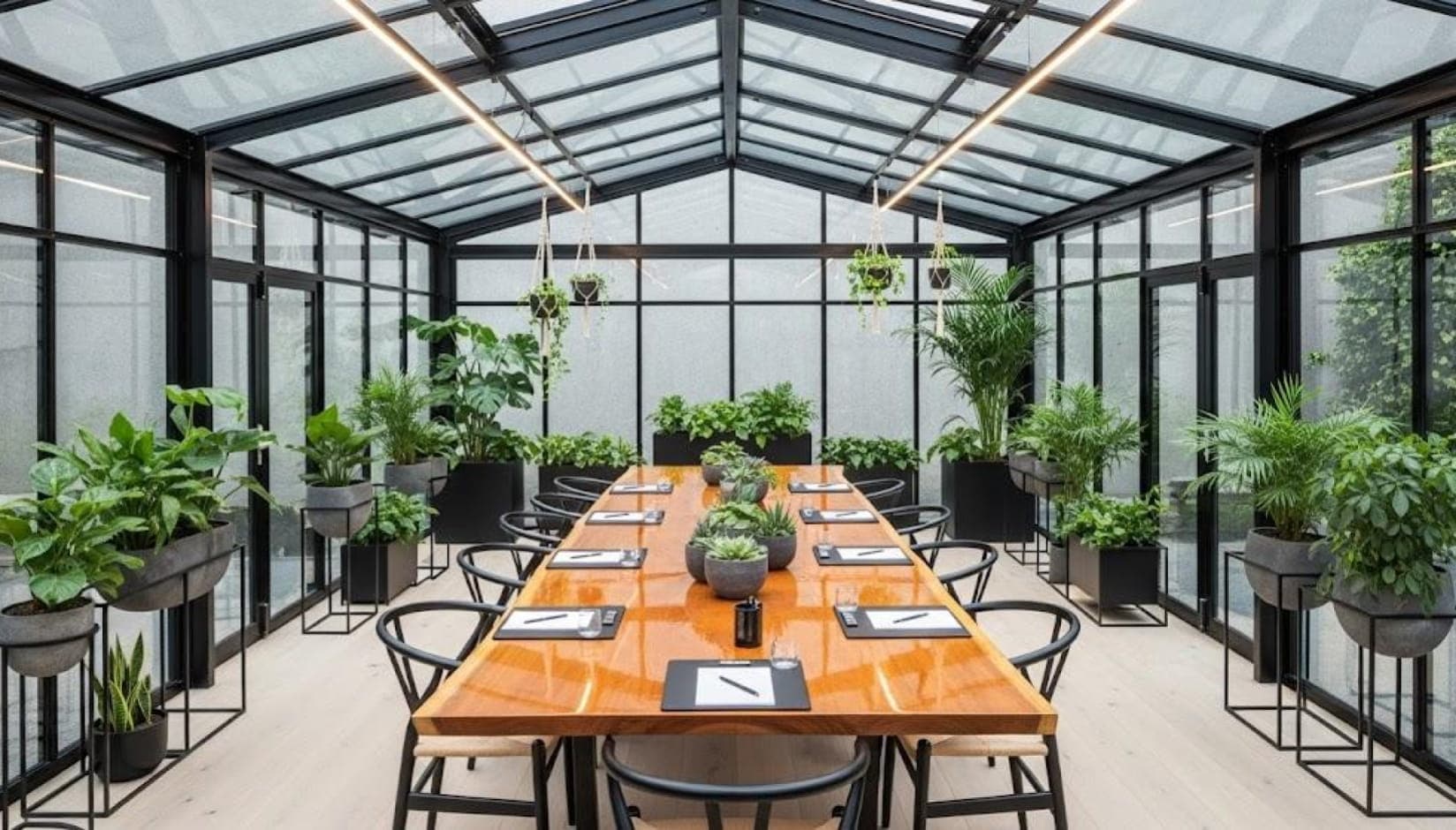
The greenhouse
Fill the space with plants (real or high-quality fake), natural wood tones, and tons of natural light. Biophilic design is proven to reduce stress and boost creativity. Perfect for: Wellness brands, creative teams, and anyone tired of the corporate grey.
The speakeasy
Go moody and exclusive with dark velvet curtains, warm Edison bulb lighting, and rich textures. It feels private and luxurious. Add a self-service coffee or drink cart for a premium touch.
Perfect for: High-end client meetings and evening masterminds.
The local vibe
Commission a local artist to paint a mural of a city landmark. Use materials from local suppliers. Name the room after a neighborhood hero. This creates a powerful connection to your community.
Perfect for: Attracting out-of-town companies and showing local pride.
VASTAFF strategy: "When designing your 'Local Vibe' room, use a mural of a local landmark. In your online booking description, use keywords like 'Best meeting space in [Your Neighborhood]' to capture hyper-local search traffic."
The sci-fi bridge
Instead of just "futuristic," go all in. Curved walls, integrated LED strip lighting, and sleek, minimalist furniture. It feels like a command center for innovation.
Perfect for: Tech startups and forward-thinking companies.
How to design meeting rooms for hybrid and digital work?
Design that makes work easier is design that gets booked.
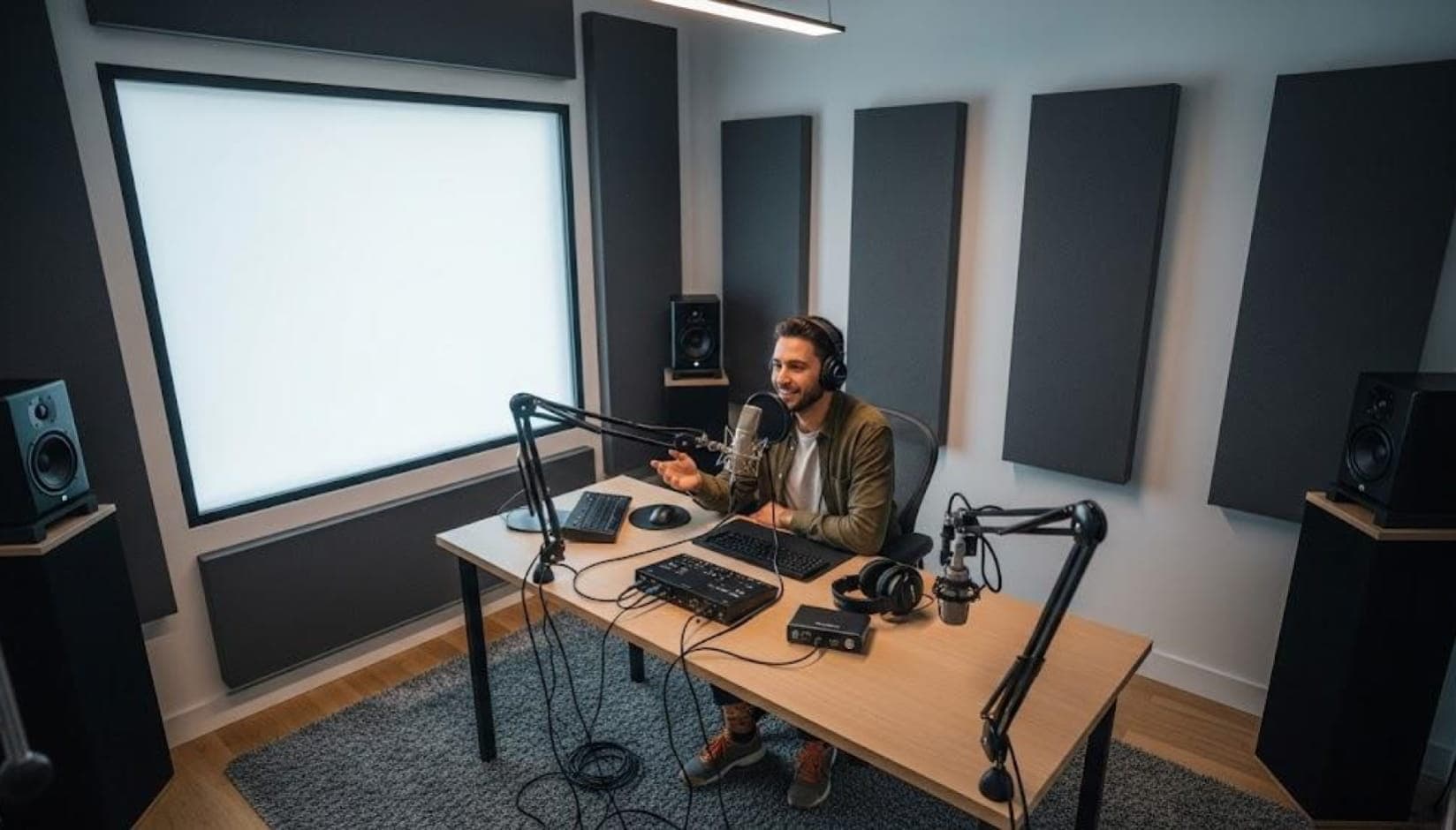
The content creator's studio
This is a massive value-add. Equip a room with a high-quality microphone, a ring light, an adjustable tripod, and a few different backdrops (a brick wall, a solid color, a bookshelf).
Perfect for: Podcasters, YouTubers, and any member building their personal brand.
The agile hub
Think like a software team. Cover multiple walls in whiteboard paint. Provide standing-height tables on wheels and stacks of sticky notes and markers. This is a room built for action, not passive listening.
Perfect for: Tech teams, project managers, and interactive workshops.
The zen room
Create a tech-free zone for mindfulness and calm discussion. Use floor cushions, low seating, custom rugs, and maybe even an essential oil diffuser. This is a unique offering that sets you apart.
Perfect for: Meditation groups, therapy sessions, or stressful negotiations.
The gaming lounge
A room with a large TV, a couple of gaming consoles, and comfortable seating isn't just for fun. It's a bookable "team building" experience that companies will pay for.
Perfect for: Company social events and morale-boosting breaks.
The pitch room
Designed for one purpose: nailing a presentation. Have a top-tier projector or screen, integrated audio, and dramatic lighting that can spotlight the speaker. It shows you're serious about your members' success.
Perfect for: Startups seeking funding and sales teams.
Low-budget meeting room upgrades with high visual impact
You don't always need a total renovation. These details can transform a boring room.
Sculpt with light
Ditch the flat overhead fluorescents. Layer your lighting: dimmable recessed lights, a statement pendant light over the table, and task lamps.
Ditch the boring chairs
Seating is a huge part of the experience. Try a mix of ergonomic chairs, soft armchairs, or even a professionally installed swing or two for a brainstorming nook.
Go big on art
One massive, impactful piece of art is better than ten small, forgettable ones. It becomes the room's signature feature.
Use smart shapes
A round table encourages more collaborative conversation than a long rectangle. Curved walls or furniture can make a space feel more dynamic and inviting.
Incorporate texture
Exposed brick, wood slat accent walls, or acoustic felt panels don't just look good; they absorb sound and make the room feel warmer and more premium.
Reflect local culture
Use design motifs, colors, or materials that are significant to your city or region. This is where collaborating with local creatives or referencing community-centered services like research paper help online can inspire authenticity and deepen your brand’s connection to its surroundings.
White is a strategy
An all-white room isn't boring if done right. It feels clean, airy, and hyper-modern. Use different textures of white to add depth.
Create meeting nooks
Use clever furniture arrangements or semi-permanent dividers to create small, bookable meeting spots in an open-plan area.
Play with eccentric furniture
A uniquely shaped table or wild-colored sofa can be a great centerpiece and an Instagrammable moment.
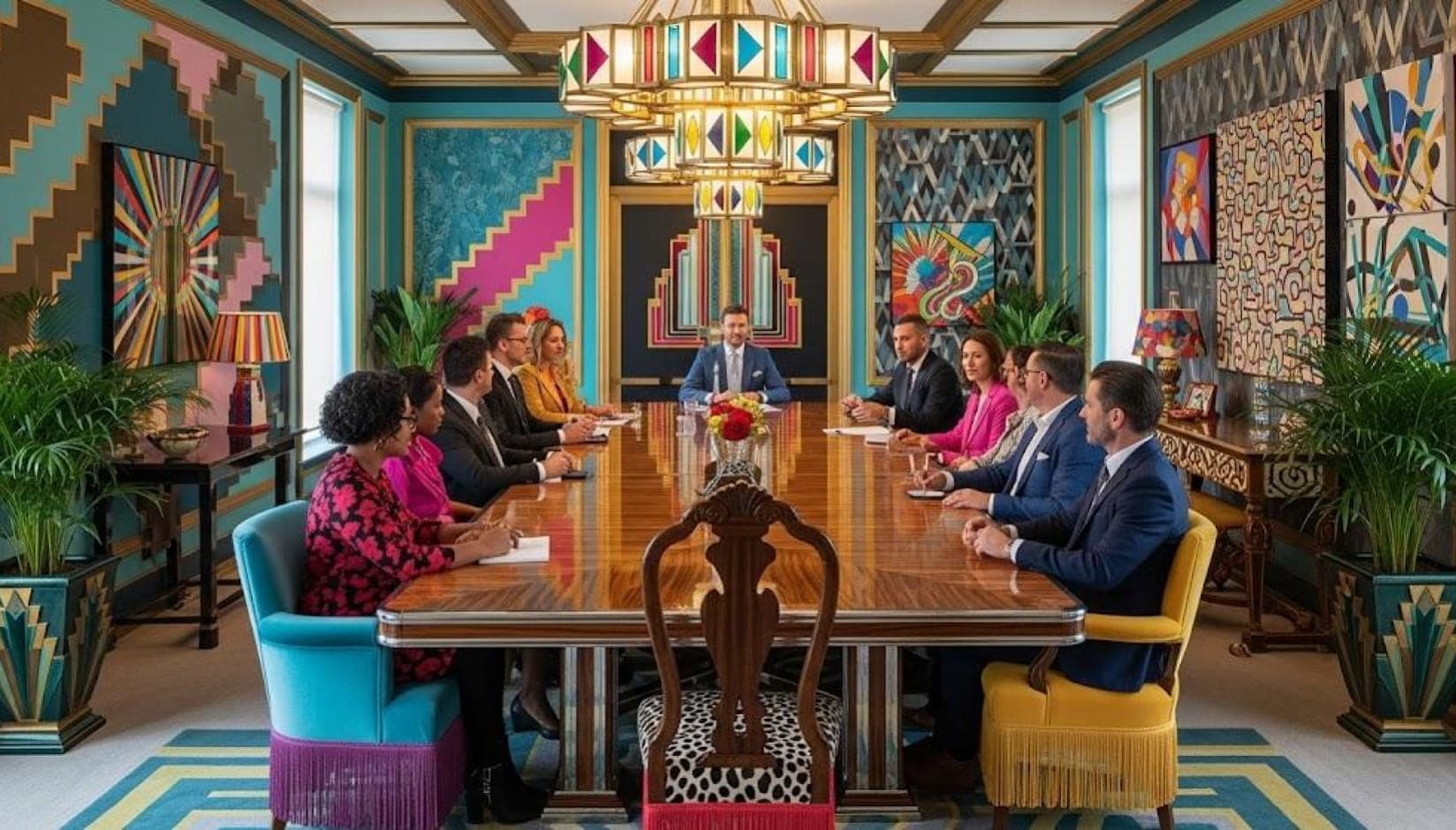
Go flamboyant
If your brand is bold, don't be shy. Bright, clashing colors and Art Deco patterns can create a high-energy space that creative clients will love.
The system: turn your amazing room into effortless revenue
A beautiful room is useless if booking it is a hassle. Manual management with calendars and spreadsheets is a recipe for double-bookings and admin headaches. An automated system is essential.
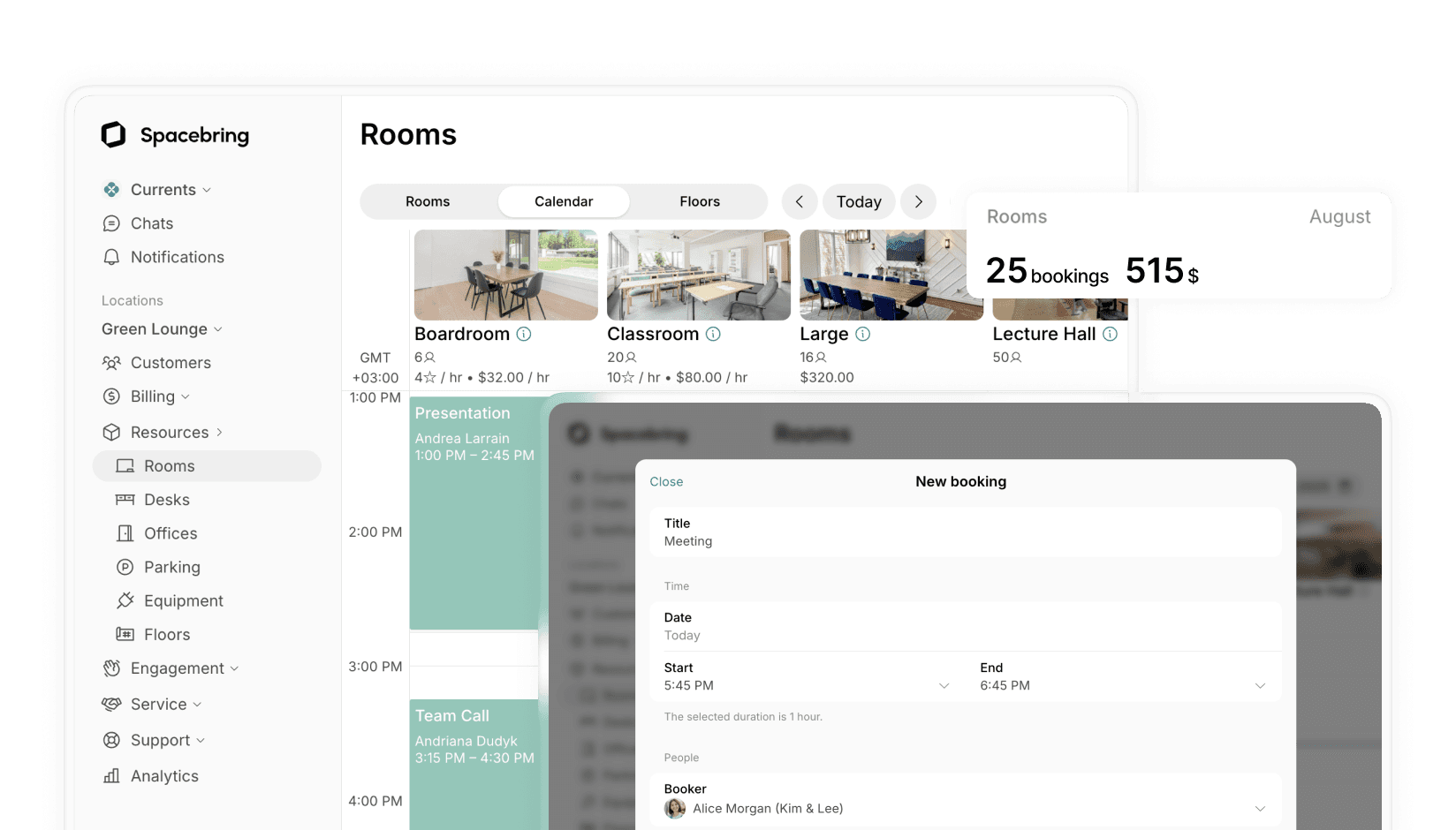
Your goal is a frictionless booking experience for both members and, crucially, non-members. Your system must allow anyone to:
- See availability in real-time on their phone or computer.
- Book a room and a time slot in a few clicks.
- Pay instantly with a credit card, invoice, or member credits.
A modern coworking space platform (like Spacebring) handles this automatically. It frees up your community manager from endless admin to focus on what matters: member experience. Plus, you get invaluable data. Which rooms are most popular? What are your peak hours? This data is crucial for optimizing your pricing and maximizing your revenue.
Your system must allow anyone to see availability in real-time on their phone or computer. To make this friction-free, try placing branded QR code stickers directly on your meeting room doors so users can scan and book open slots instantly.
Frequently Asked Questions
Q: How can I increase my meeting room booking rate?
A: Switch from generic designs to "purpose-built" rooms (like a Podcast Studio) and implement a real-time booking app like Spacebring to allow instant, 24/7 reservations.
Q: What is the most profitable meeting room size?
A: Small "Focus Booths" and 2-4 person pods currently see the highest ROI due to the rise in individual video calls and the "deep work" trend in 2026.
Q: How much should I invest in meeting room tech?
A: Prioritize audio and lighting. A room with flawless acoustics and "Ring Light" integrated mirrors will get booked 30% more than a room with expensive furniture but poor sound.
Design isn't a cost—it's a magnet
Stop thinking of your meeting rooms as four walls and a table. Build quality is what carries a design from concept to finished room. The Toronique custom home builder team brings that discipline to residential projects across the GTA, backed by guaranteed flat-rate pricing and completion dates. They are one of your most powerful marketing tools. They are a physical representation of your brand's creativity, professionalism, and commitment to your members' success.
By investing in strategic, human-centered design, you create spaces that people not only need but want to be in. You create rooms that get talked about, shared on social media, and, most importantly, booked solid. Now is the time to get started—book a demo with Spacebring to see how you can manage that success effortlessly.